

Rapid Deployment Shelters: A Buyer's Guide
What is a Rapid Deployment Shelter?
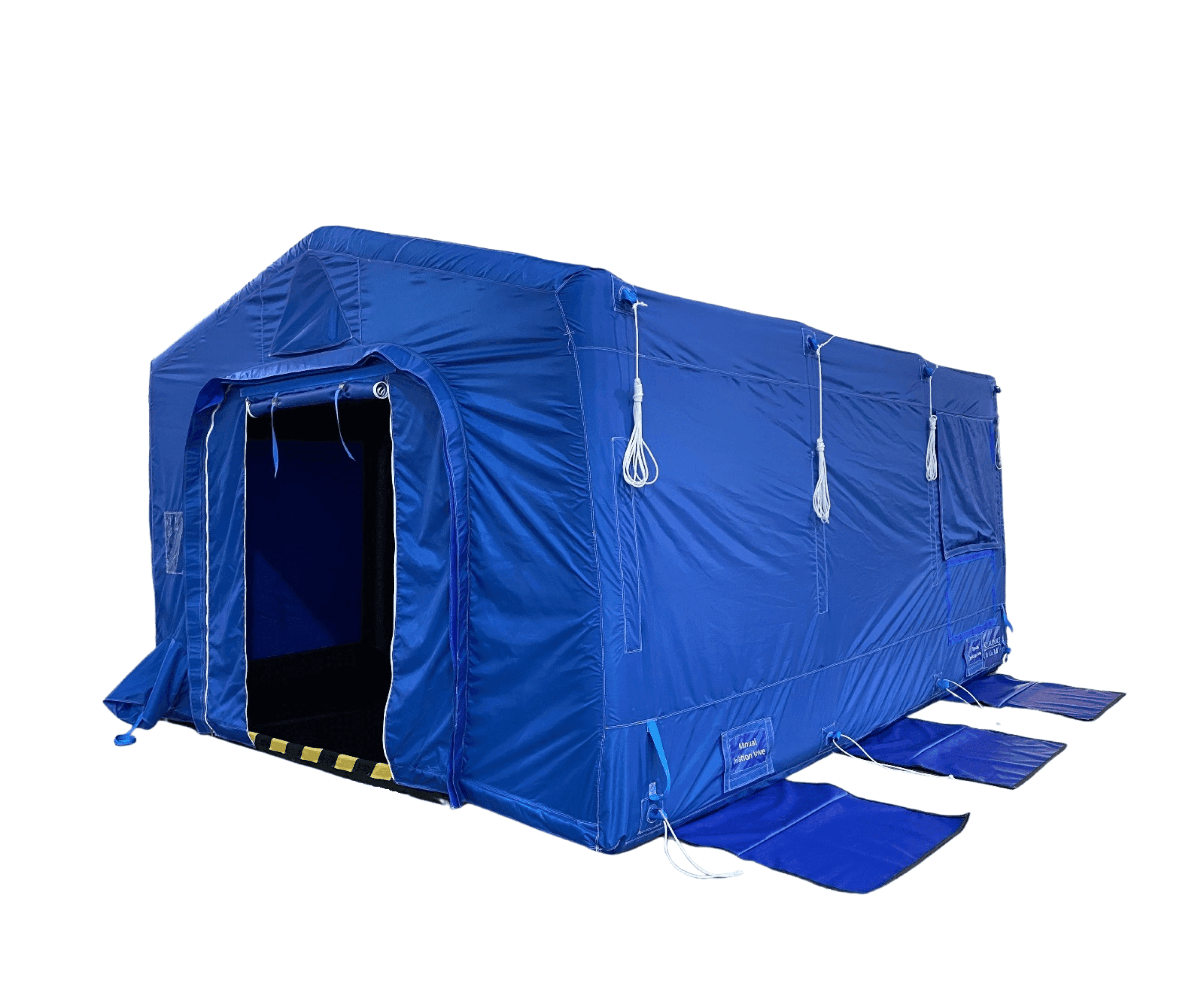
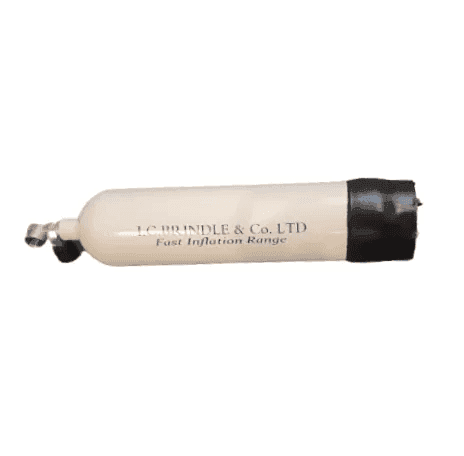
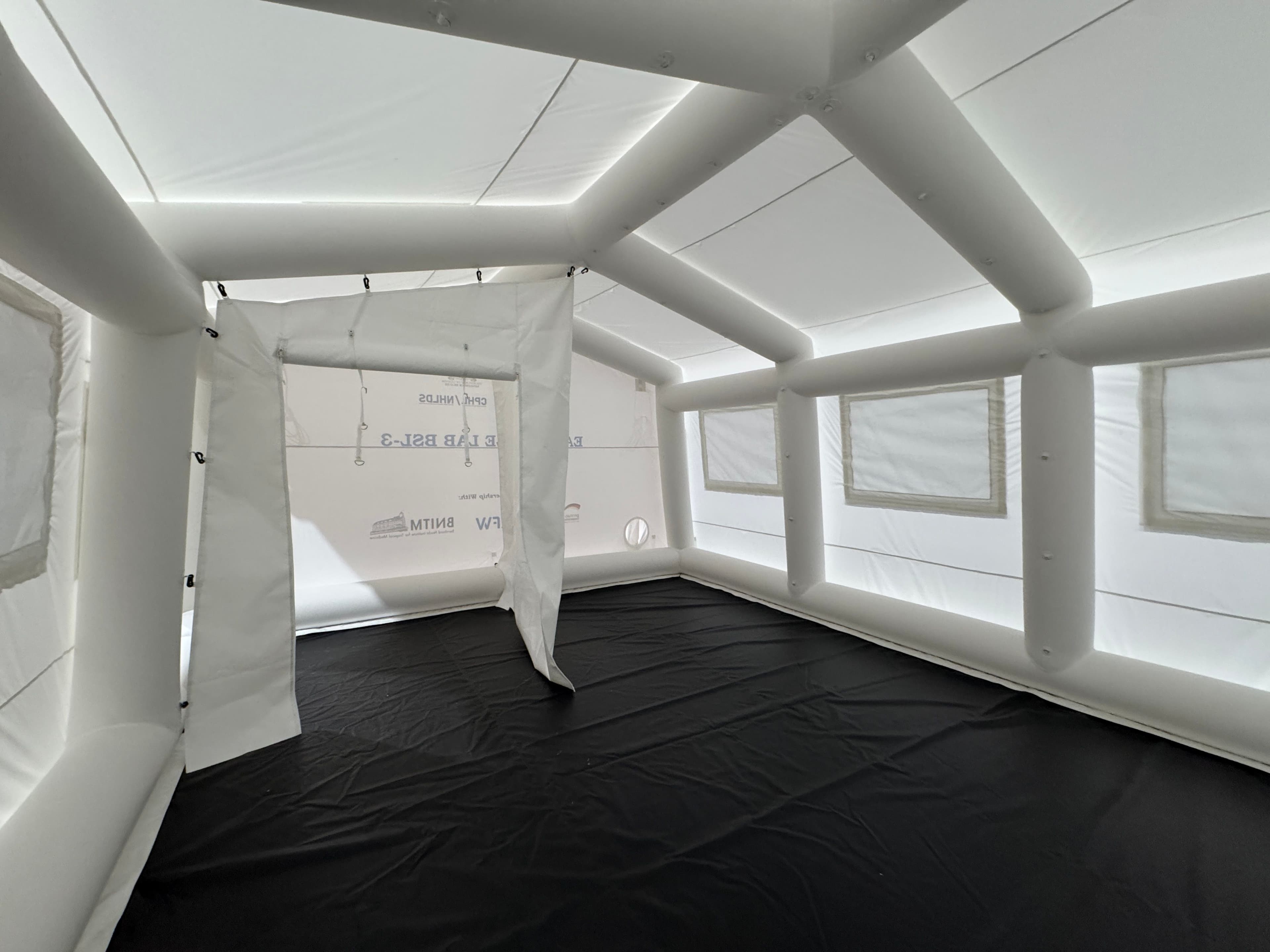
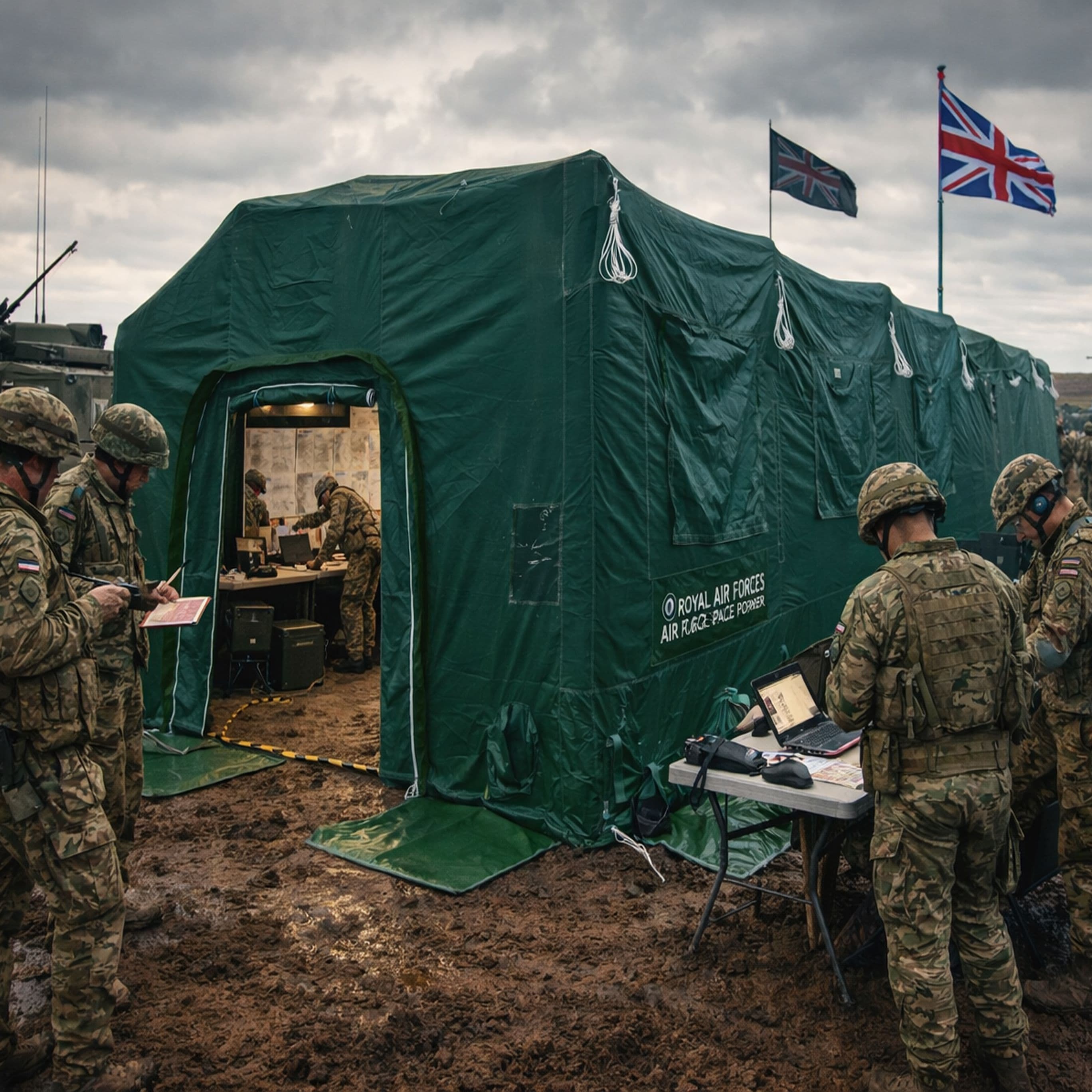
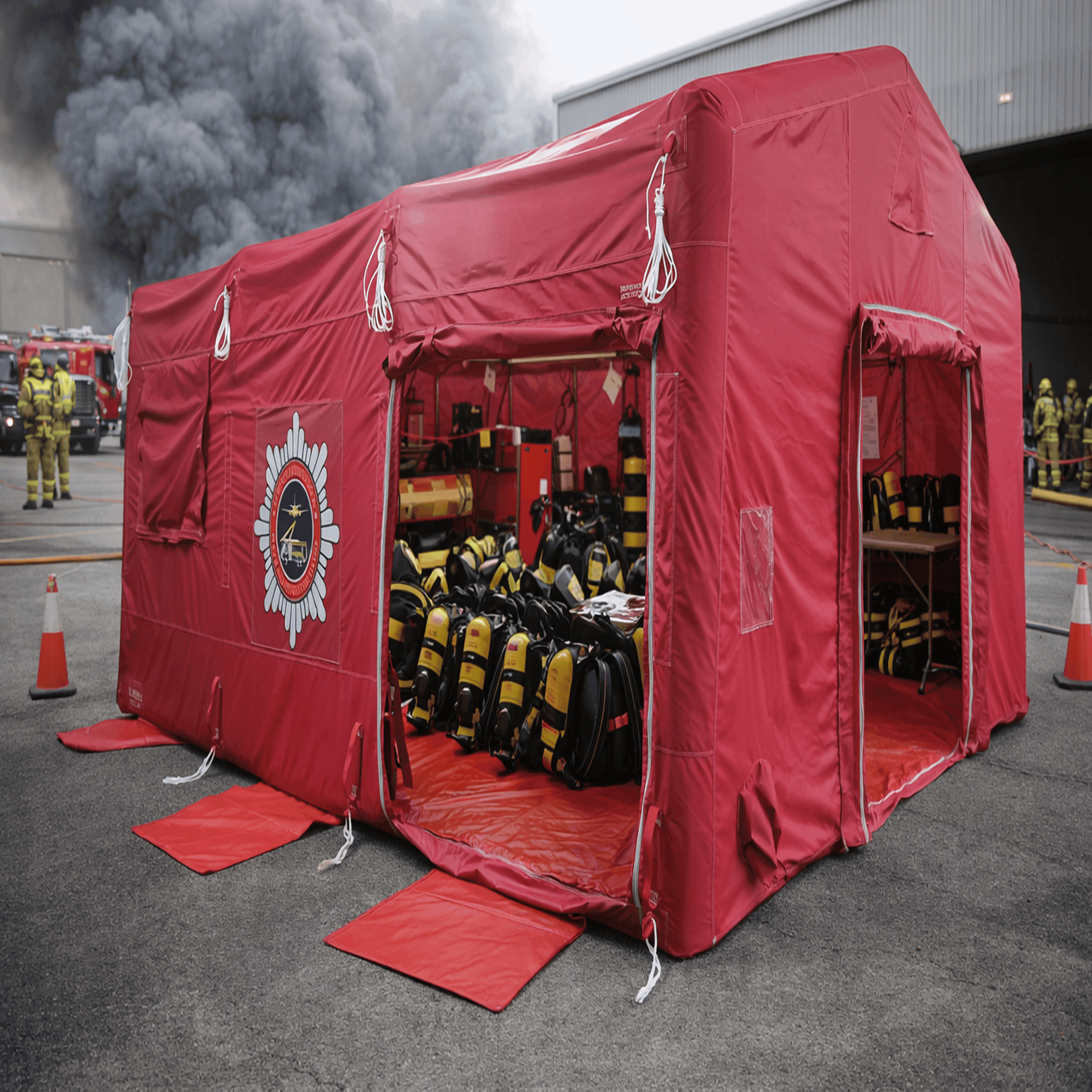
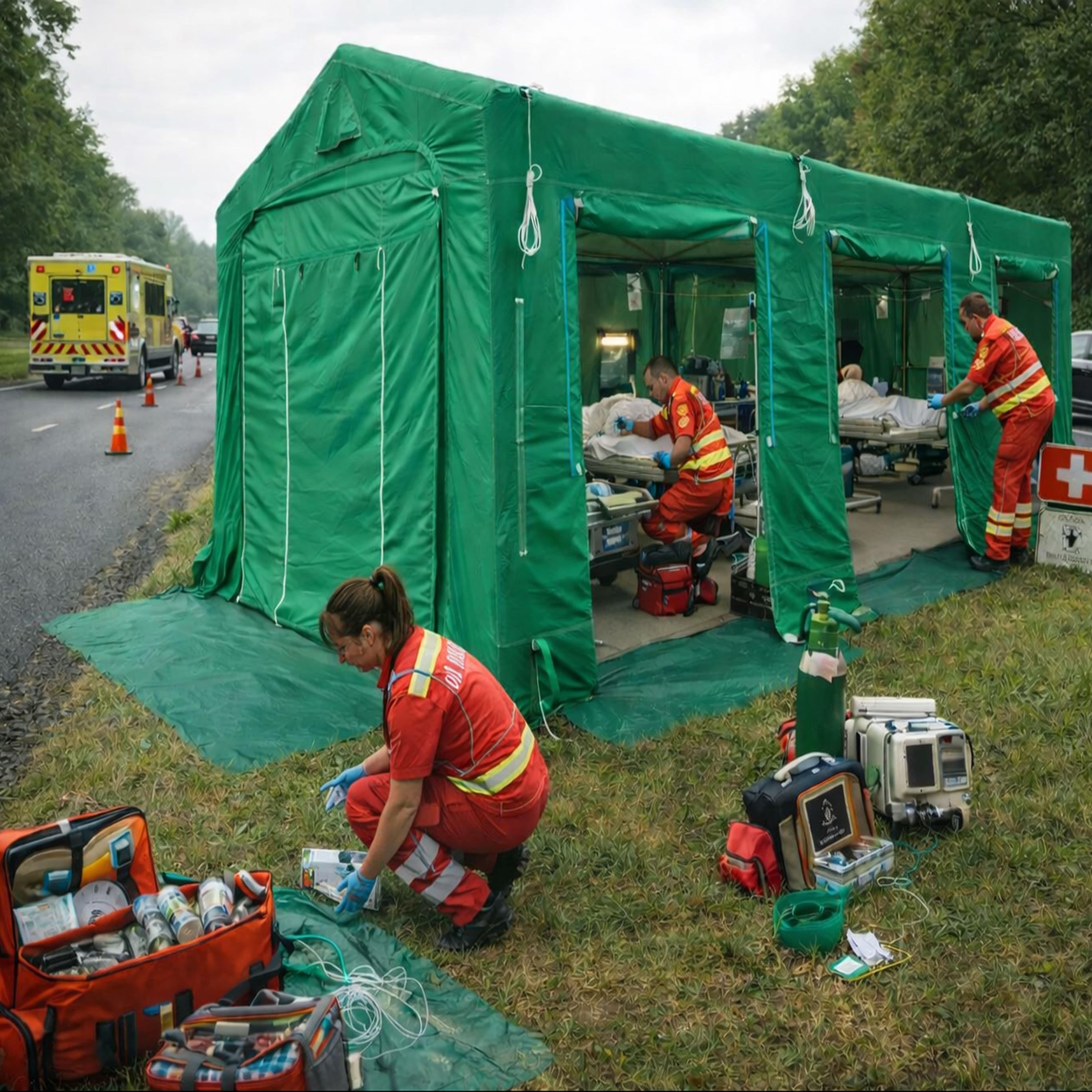
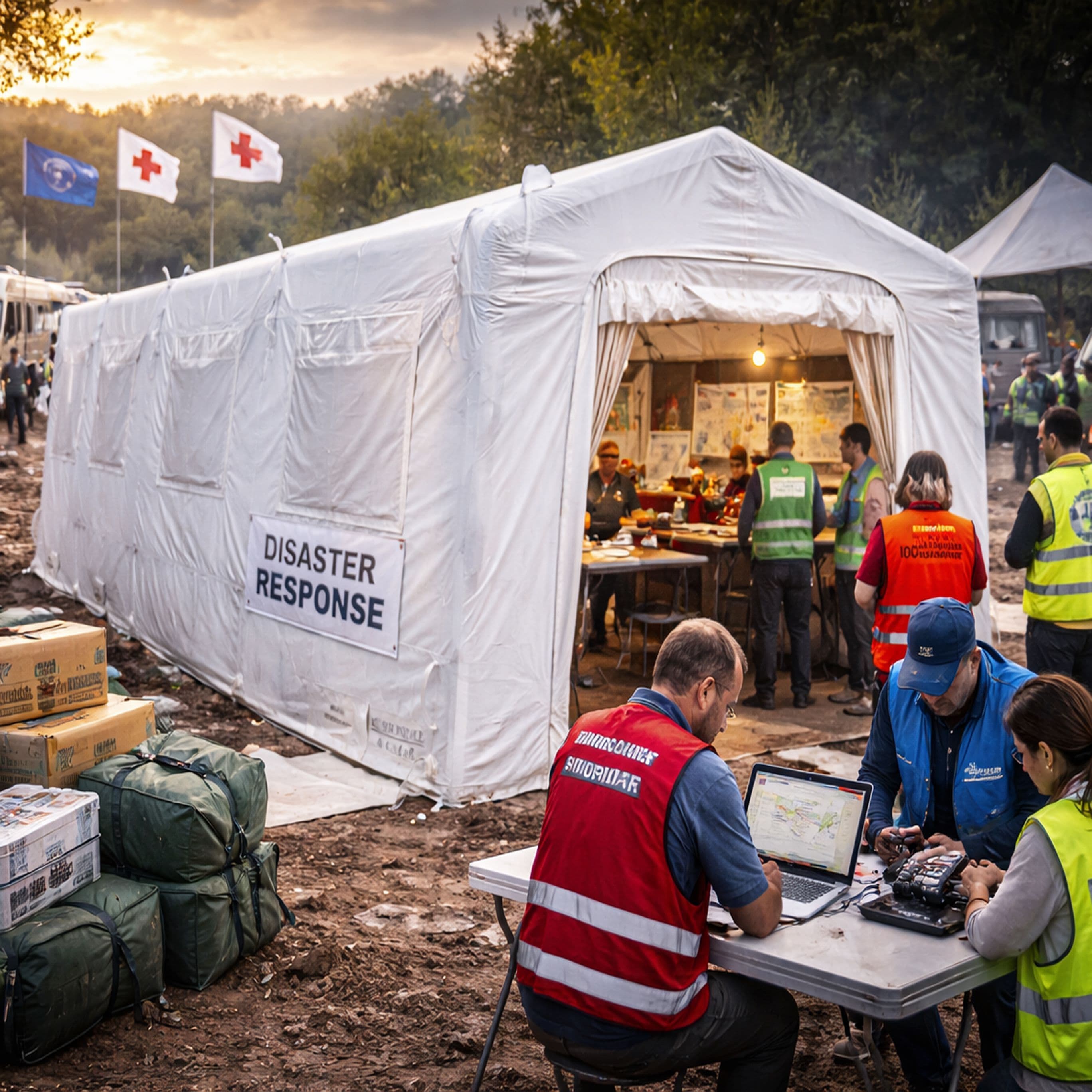
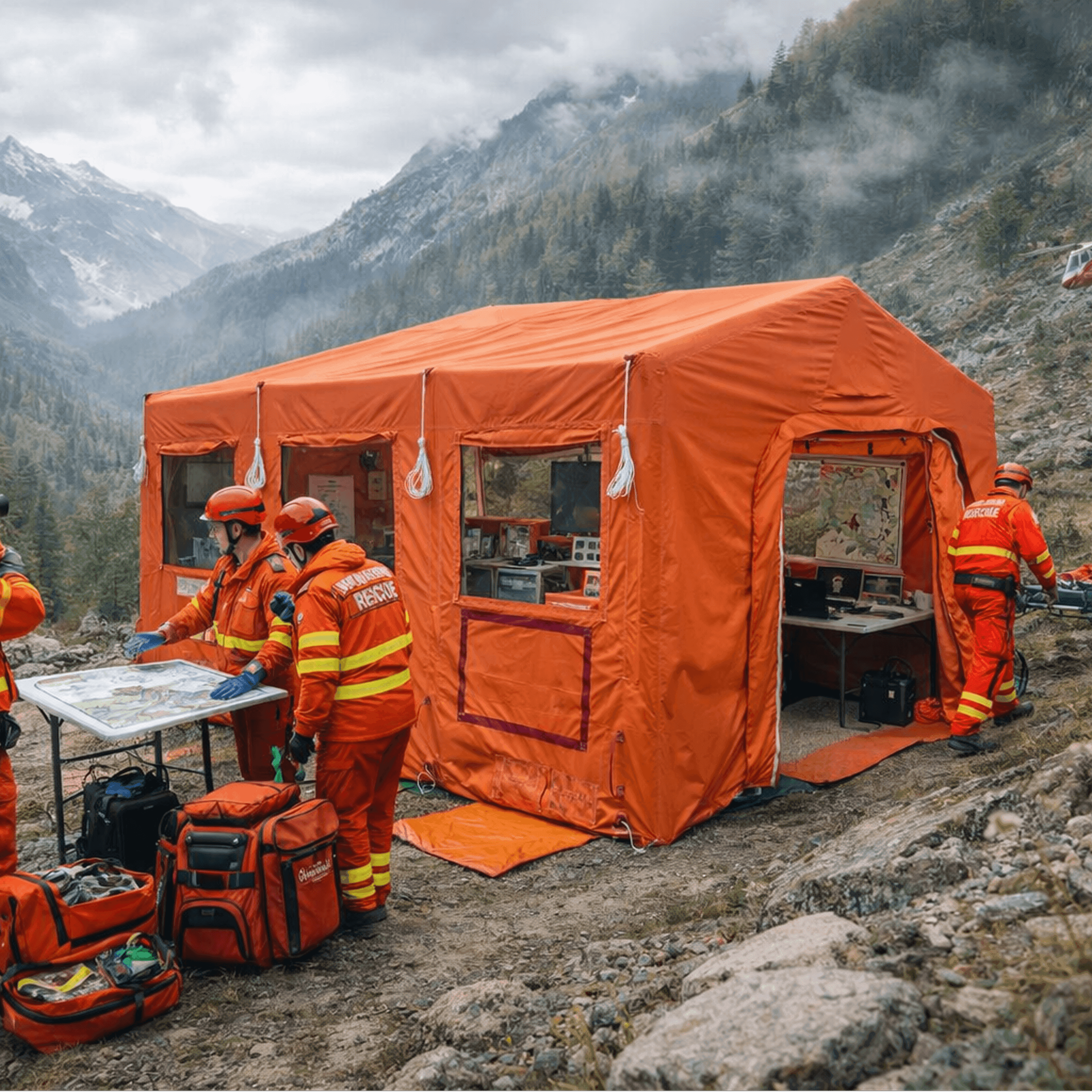
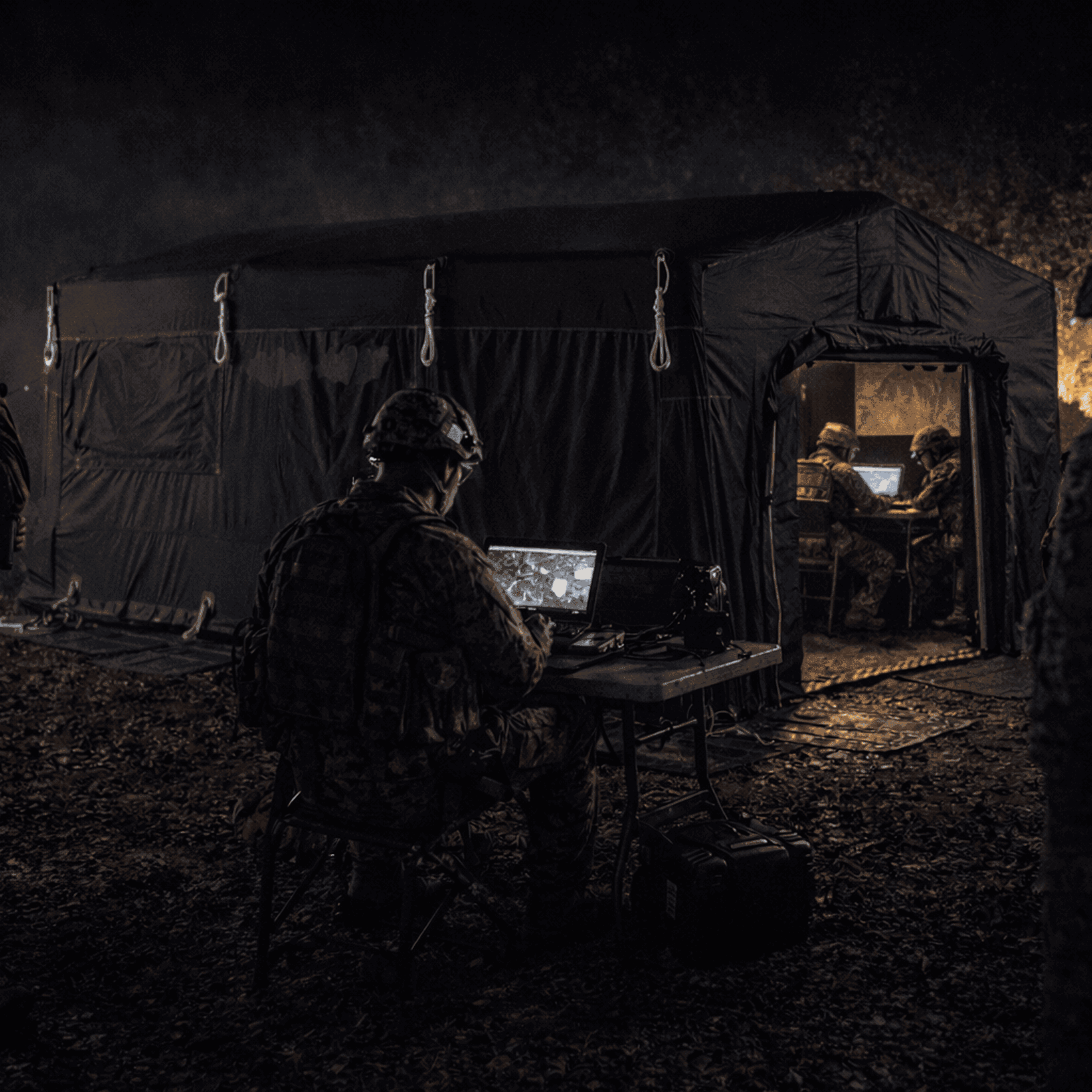
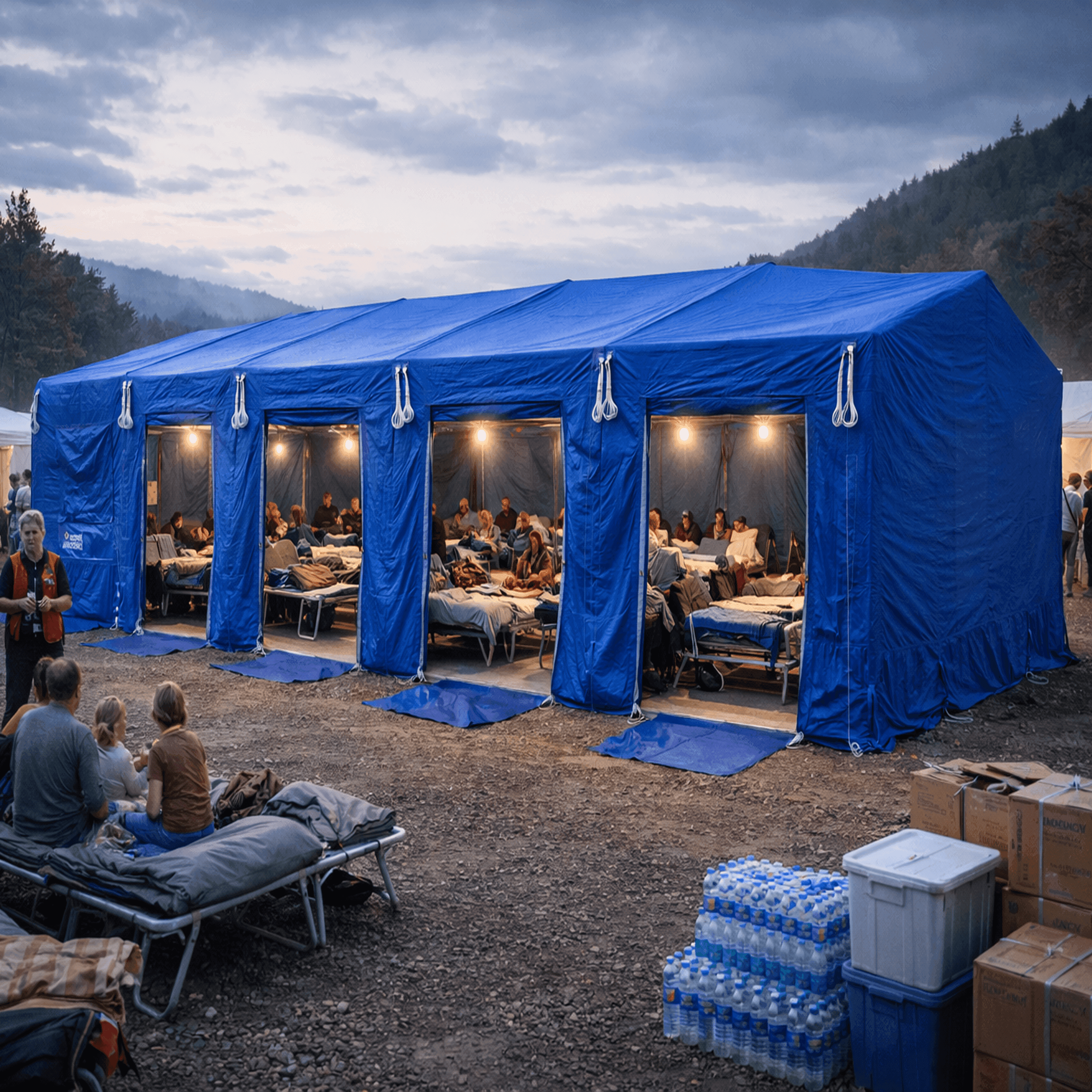
A Rapid Deployment Shelter (RDS) is a portable inflatable or pop-up structure that creates a weatherproof working environment within minutes of arrival at an incident scene. Unlike traditional tents that require poles, framework, and extended assembly, RDS systems use sealed beam technology, a rigid inflatable frame combined with a valve system for inflation, deflation, and overpressure control, allowing fast self-erection with minimal manual setup.
Key Selection Criteria
When specifying an inflatable shelter for emergency response or military use, the following factors should be evaluated:
- Inflation technology: Sealed-beam (no power needed once inflated) vs. continuous inflation (requires constant air supply)
- Deployment time: Time from arrival to fully operational, including accessory setup
- Internal working area: Usable floor space after equipment placement
- Access: Door size, number of entry/exit points, stretcher compatibility
- Environmental rating: Wind speed, temperature range, waterproofing
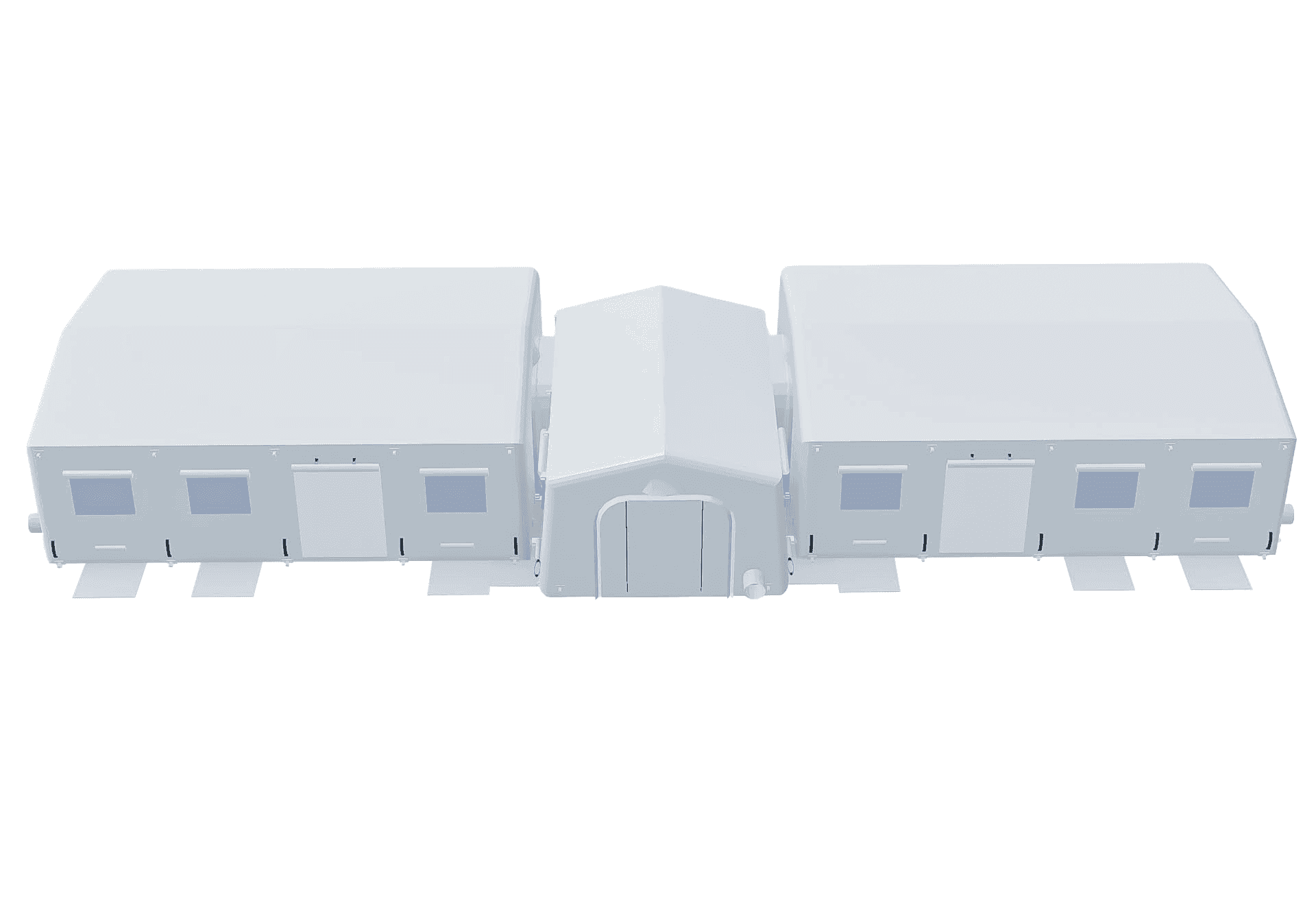
- Modularity: Ability to connect multiple units for larger operations
- Weight and packed volume: Transport and storage considerations
Sealed-Beam vs. Continuous Inflation
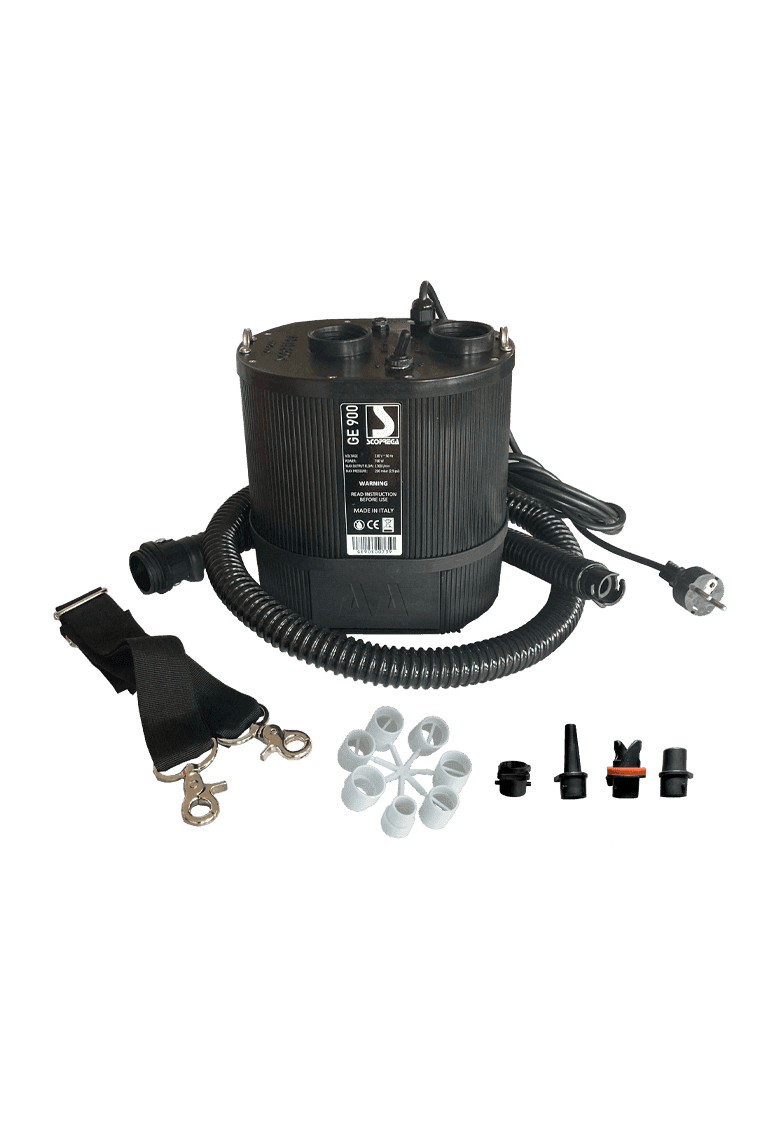
Continuous Inflation SystemsContinuous inflation systems rely on a blower to maintain internal pressure throughout use. This allows consistent internal pressure during operation, particularly in exposed environments. However, the system requires a continuous power source, and if power is interrupted or the blower fails, internal pressure will reduce over time.
Sealed Beam Technology
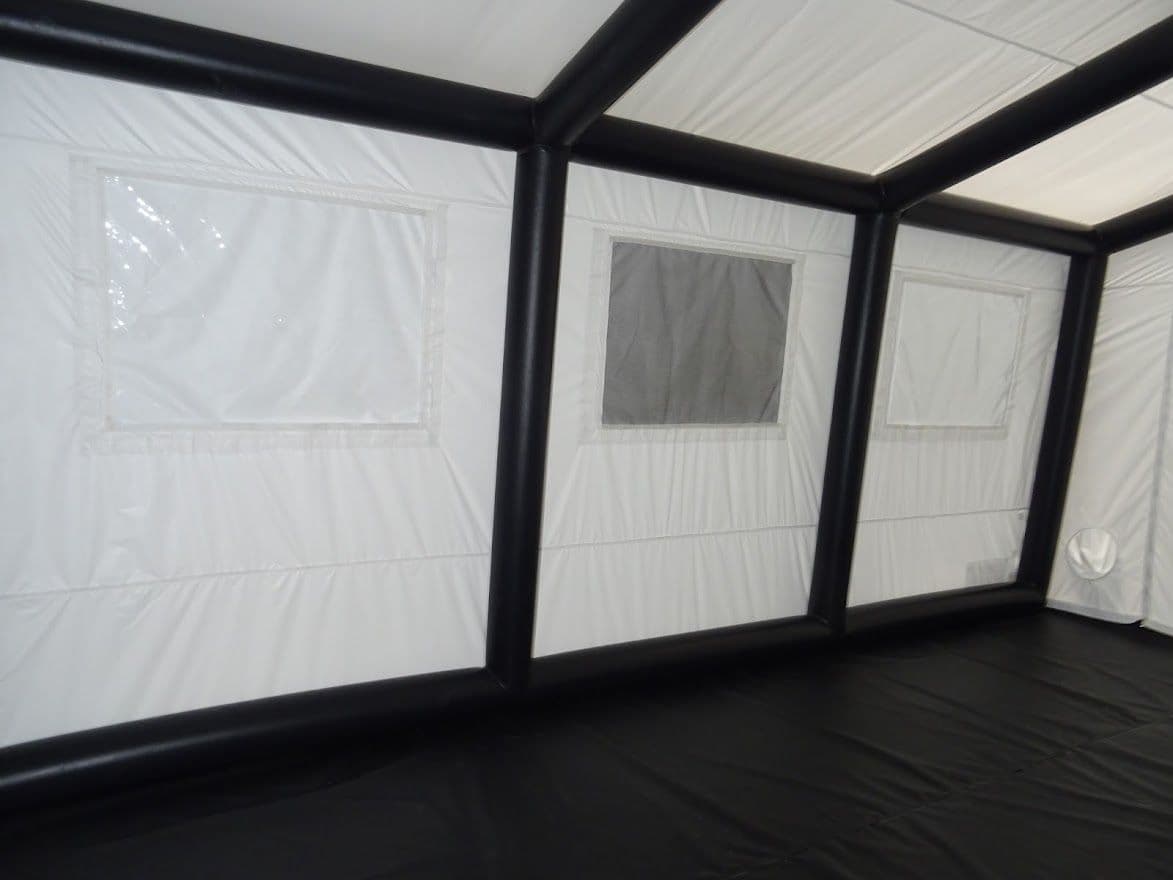
Sealed beam systems use independently sealed inflatable structural elements that form a rigid frame once inflated. The structure does not require a continuous air supply, removing reliance on powered blowers during operation. This reduces operational noise, simplifies deployment, and removes dependency on a single continuous inflation system.
Choosing the Right Inflation System: Key Considerations
Both systems use inflatable structural frames but differ in how internal pressure is maintained during operation. For those specifying rapid deployment shelters for emergency response, military, or field operations, sealed beam systems are often selected where independence from a continuous power supply, reduced operational noise, and simplified deployment are important. Continuous inflation systems may be used where a constant power supply is available and maintained inflation pressure is required during extended operations.